Political Science
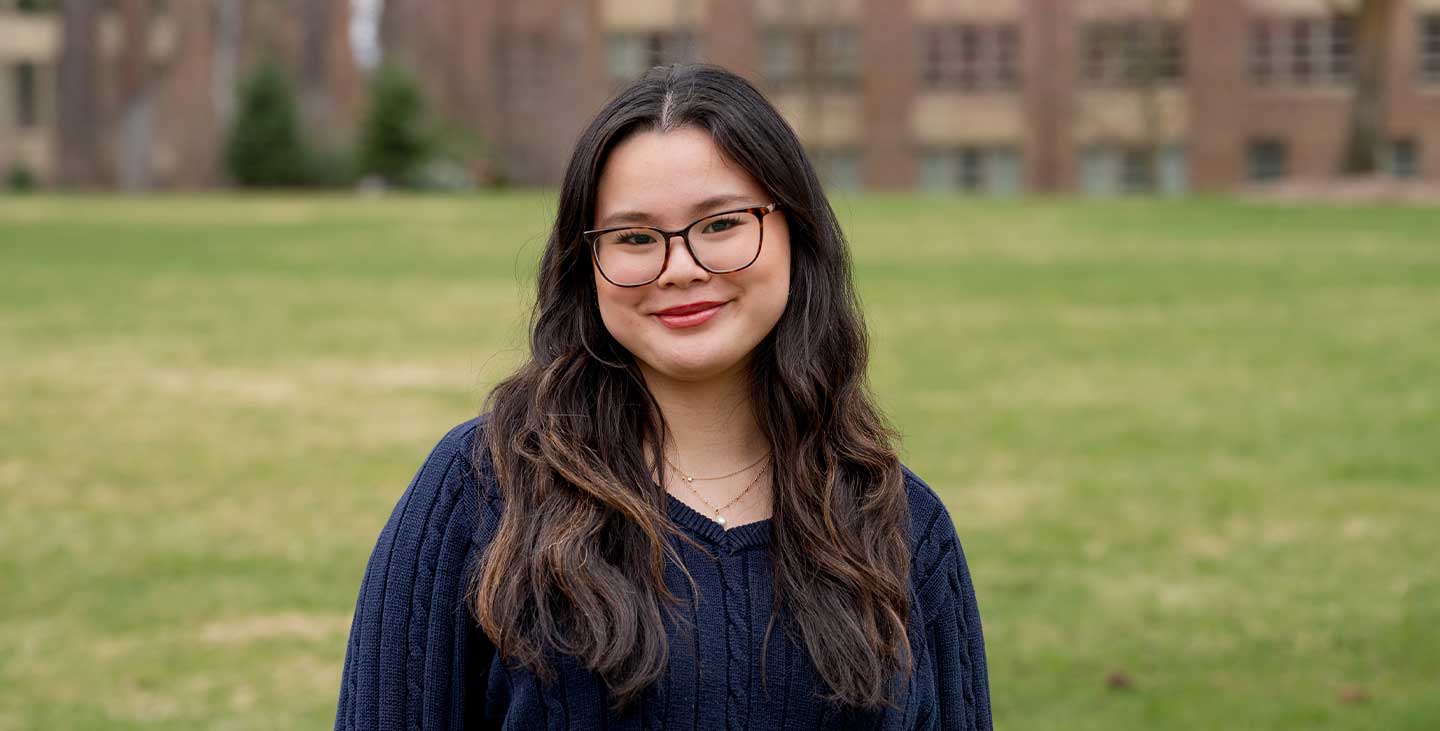
Sophie St. Jacques '27
Why did you decide to study political science?
I've always been fascinated by political institutions, from childhood dreams of being president to wanting to understand how the electoral college actually works. As I grew older, that curiosity became a deeper interest in how politics shapes our everyday lives and who does (and doesn't) get included in decision-making. I study political science because I believe understanding our systems matters, not just academically, but to understand how that knowledge can be used to support others, engage meaningfully in civic life, and help make government and democracy more equitable and accessible in practice for those they serve.
What classes have been your favorite so far?
Constitutional Law has been one of my favorite classes, especially at a time when rights and constitutional questions are at the center of national conversation. It was interesting to approach these issues through an academic lens and move beyond simply hearing about our rights to understanding what they truly are. Focusing on where they originate, how they've been shaped over time, and the responsibility we all share to protect and advocate for them. I've also valued Comparative and British Politics for the perspective they provided on how other democracies confront similar challenges, reminding me that governance is shaped by choices and that there are multiple paths toward building effective and accountable systems.
Tell us about a unique experience you've had or project you've worked on for your major.
I've been really lucky to have some amazing experiences, from having my image printed on city buses as part of Portland's voter education campaign to studying abroad in France! As a voter education intern with the City of Portland during its transition to ranked-choice voting, I helped with community outreach and presentations, which showed me how important it is to make information accessible and civic processes approachable. While studying abroad, I've had the opportunity to learn about European institutions firsthand, including visiting the European Parliament and meeting the Irish ambassador, which has been an incredible way to see how governance and diplomacy work beyond the U.S.
What advice would you give to someone thinking about majoring in political science?
Be curious! Political science is not just a good "pre-law school" major. It is an opportunity to study the systems that shape our everyday lives, from campaign finance to voting processes. Take your education seriously and use it as a tool to better understand your surroundings and the structures that influence opportunity and access. You'll learn how to put into words the observations you might already make, like why government officials often don't change unless they retire (incumbency advantage). And don't forget to leave space for rest and fun! In an increasingly political world, your brain makes connections to everything, so give it a break when you need to and go get a sweet treat!
What's your dream job?
My dream is to work in law and public service, starting with in-house counsel while also taking on pro bono cases to support communities that need legal advocacy. Long term, I hope to serve in elected office and potentially run for the Senate one day, using policy and law to help shape more equitable systems.
What's something that surprised you about your major?
Something that surprised me is how hard it is to turn your brain off once you start studying political science. You begin seeing the theories and concepts you learn in class everywhere in the real world, from elections and public policy to everyday conversations and institutional decisions. It trains you to constantly notice patterns, power and systems, which can be challenging at times but also really engaging. And something that might surprise people is that we also have department socials sprinkled throughout the year, where both students and professors come together to connect outside the classroom (yes, professors can be fun, too). These gatherings give us opportunities to get to know one another on a more personal level and often lead to friendships and mentorships that feel truly irreplaceable.
Who are three people who have made a difference for you at Whitworth?
Ms. Zanab: Ms. Zanab, who works at the dining hall check-in, reminds me daily that leadership does not always look formal. She ensures students are fed and cared for, but more than that, she brings warmth, kindness and joy into everyday moments. Her smile or hug can change the direction of a difficult day, and she embodies the spirit of community that makes Whitworth feel like home.
College of Arts & Sciences Program Coordinator Kim Dawson: Ms. Kim, our Lindeman legend! She is often the first face students see, and she immediately makes the department feel welcoming. She is far more than a front desk presence; she is the organizational backbone of the political science department, keeping everything running smoothly while patiently answering countless questions and offering guidance whenever needed. Whether through her infectious laugh or her wise words, her genuine care for students makes a lasting impact on our experience, more than she probably knows. And as a bonus, she has an excellent candy selection, so make sure to check the bowl!
Political science professors (couldn't choose just one!): The political science faculty has also made a lasting impact on me. Being part of a small department means professors truly know their students not just by name, but by strengths, interests and potential. They challenge us academically and encourage us personally. They don't try to fit you into a mold; instead, they help you build your own. That level of mentorship is rare, and I feel incredibly fortunate to learn in an environment where professors invest so much in us.
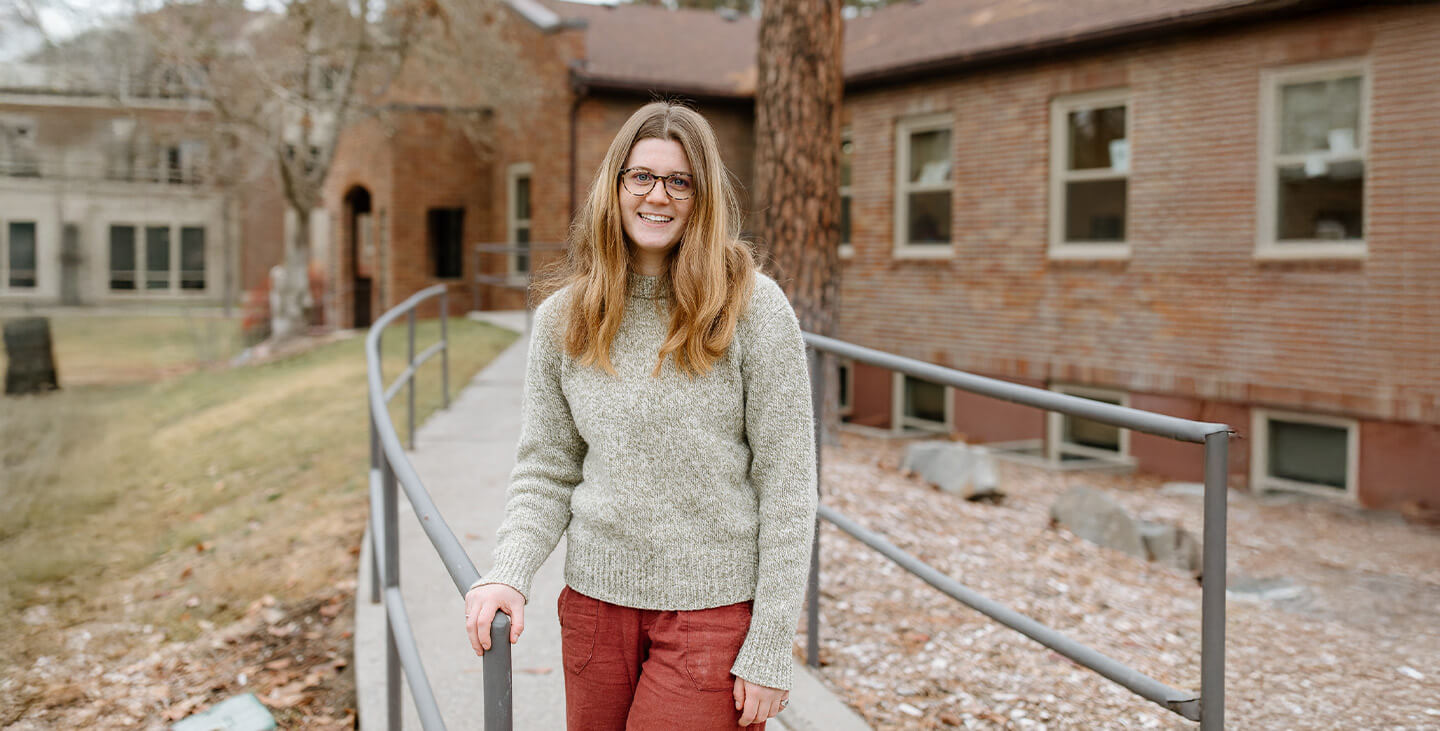 Grace Hansen '27
Why did you decide to study political science?
I decided to study political science because the role the government, law and advocacy groups play in pursuing a more just world has always fascinated me. Political science gives me the opportunity to study key aspects of this like governmental structures, the crucial role of civil society, law, peacemaking and the mechanics of diplomacy.
What classes have been your favorite so far?
Two classes that have been my favorite so far are Politics of Israel & Palestine and Comparative Politics. In Politics of Israel & Palestine, I appreciated the ability to look at a complex issue with the desire to understand the political dynamics while keeping humanity at the forefront of the conversation. I enjoyed learning more about governmental structures and studying world elections in Comparative Politics. In that class, I also loved learning about African politics from Dr. (Megan) Hershey, who is knowledgeable and passionate about the region.
Tell us about a unique experience you've had or project you've worked on for your major.
As a part of the Whitworth Political Science Department, I had the privilege to attend COP29 in Baku, Azerbaijan, as a virtual delegate. It was incredible to get to watch the international community come together through diplomacy to work to address global change. I got to sit in on meetings, panels and press conferences that focused on issues like climate finance, integrating human rights into climate action, and the role of youth in climate dialogue.
What advice would you give to someone thinking about majoring in political science?
I would tell someone thinking about majoring in political science to take a political science elective on a specific topic that they think sounds interesting. Taking Politics of Israel & Palestine my freshman fall was such an eye-opening and rewarding experience that set me on a path in my major.
What's your dream job?
With my interest in the capacity to better the world through international cooperation, my dream job is to be a diplomat in the U.S. Foreign Service.
Who are three people who have made a difference for you at Whitworth?
One person who has made a difference for me at Whitworth is Dr. (Megan) Hershey, one of my political science professors and advisors. Her advising always comes from a place of care for me and my interests. And her classes always left me contemplating interesting questions and political phenomena. Cameron Bushey, my soccer coach, has also made a difference for me at Whitworth. He cares for me and our team, supporting us on and off the field. His office door is always open for a chat, and he has been very supportive of me taking full advantage of the opportunity to study abroad in our offseason. Another person who has made a difference for me at Whitworth is Alexis Dubreil '24. She was a senior when I was a freshman who I met through one of my political science courses. She was so kind in taking the time to get to know me, bringing me into the community of the political science department, giving me advice, and always cheering me on.
What's something that surprised you about your major?
One thing that has surprised me about my major is how many interactive simulation projects I have gotten to take part in. Last year in the Politics of Israel & Palestine and American Foreign Policy, we did simulations of a National Security Council meeting where I got to play the role of the U.S. ambassador to the United Nations and Madam President, respectively. More recently, I got to play the role of the United States in a model U.N. simulation trying to solve the humanitarian crisis in the Horn of Africa.
These interactive learning experiences have allowed me not only to examine the role of different actors in world events but learn the thinking and reasoning of these actors by making decisions as they would.
Why did you choose to attend Whitworth?
I chose to attend Whitworth because of the welcoming community I saw here, the small classes with professors who care about their students, and the opportunity to play on the Whitworth women's soccer team.
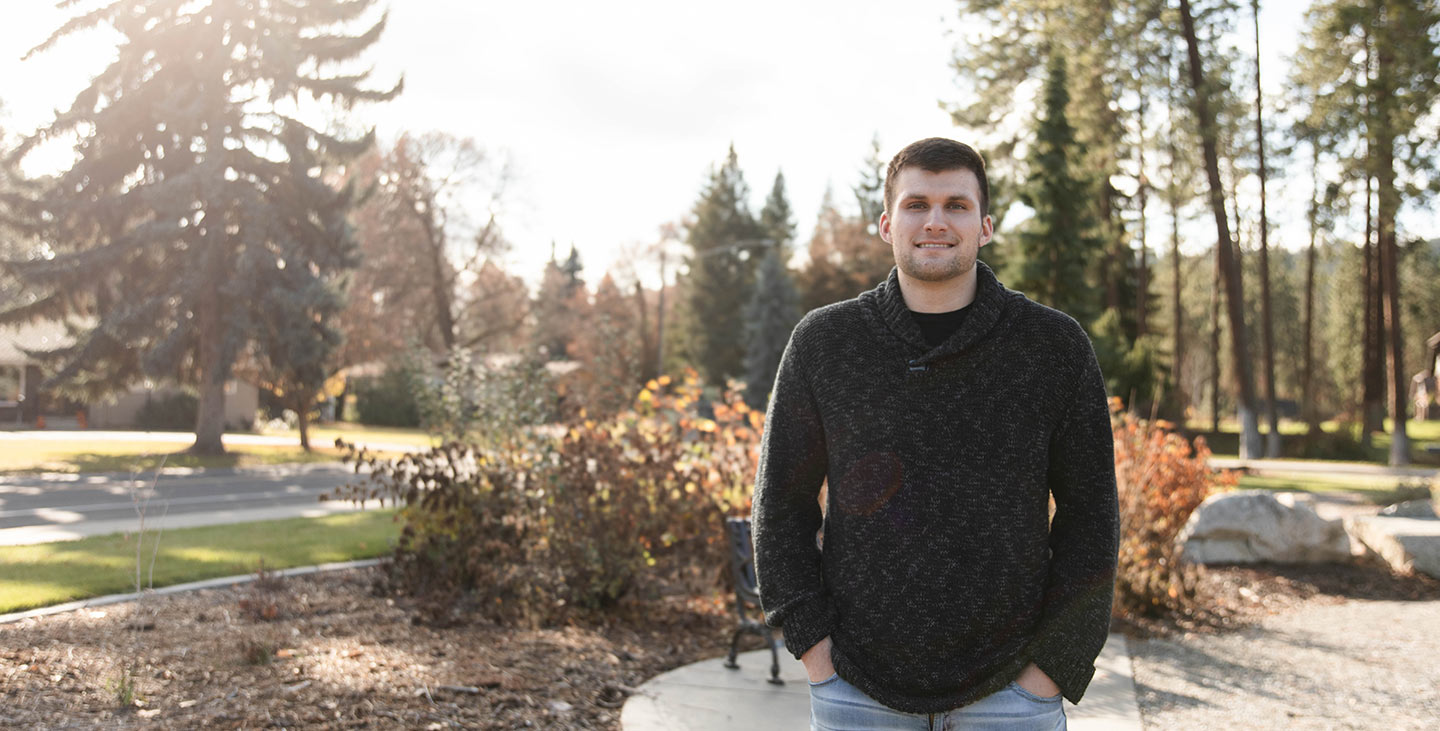 Cristian Colwell '23
Why did you decide to study political science?
I decided to study political science to prepare me for law school. Ever since I read my first John Grisham novel at the age of 11, I have been fascinated by the American legal and political systems and have wanted to be a lawyer. No other major prepares you for law school and the legal profession as well as political science, thus I chose political science.
What are some of your favorite classes so far?
This is a tough one, as I have had great experiences in many classes. Two stand out to me: American Political Thought with Dr. Stronks and Immigration Law with Professor Mathisen. American Political Thought gave me valuable insight into the public discourse during various periods in America, while Immigration Law helped me to understand the nuance of the American immigration system, which is obviously a very controversial and hotly contested topic.
Tell us about a unique experience you've had or project you've worked on for your major.
This past summer I was blessed with the opportunity to intern in the legal department of the manufacturing corporation Kadant, located in Boston. This internship gave me hands-on experience with the work that corporate lawyers do and allowed me to explore New England and many of its historical sites. My co-workers were all very kind to me, and I made many great friendships and connections throughout the summer.
What advice would you give to someone thinking about majoring in political science?
I recommend two things. First, read the news every day. Keeping up with contemporary political affairs is crucial to success as a political science major at Whitworth and allows one to draw connections between the material they are learning and current political happenings. Second, learn to become an excellent writer. Most of the political science classes at Whitworth are very writing-intensive, thus being an excellent writer helps one to produce their best schoolwork.
What's your dream job?
I think my dream job is to be a corporate lawyer in either New York City or Boston. However, serving as a member of Congress would be very interesting. I had the opportunity to intern for U.S. Rep. Cathy McMorris Rodgers in spring 2021, and I found her job to be both meaningful and fascinating. The congresswomen gets to connect with her constituents and take their concerns and desires to Capitol Hill. Having the opportunity to represent one's community in the House of Representatives would be a great honor, and, while a lofty goal, is something that I would love to do in the future.
What's something that surprised you or might surprise other students about your major?
Something that surprised me about the political science major was how much of the coursework relates to philosophy. The Whitworth Political Science Department does not simply teach one facts about various political institutions, it forces one to think deeply about the values and ideas that underlie said political institutions and to question how we can better those institutions in the name of justice and efficiency.
Who has been an important connection for you at Whitworth, and why?
Dr. Stronks, one of the political science professors, has been an immense blessing to me throughout my time at Whitworth. From helping me get great internships to meeting and discussing contemporary political and legal issues with me, she has helped me to make the most of my time at Whitworth and to grow both in intellect and in character.
Why did you choose to attend Whitworth?
I chose to attend Whitworth because of the terrific academic reputation that the institution has and because of its excellent men's basketball program. I played basketball for my first two years at Whitworth and had a blast but chose to use my final two years to pursue other passions.
How would you describe Whitworth?
I would describe Whitworth as a very tight-knit yet heterogenous community. While one becomes familiar with a significant portion of the student body and faculty by their senior year, Whitworth has opportunities to satisfy students of all kinds of different backgrounds and tastes. From intramurals to frolfing groups, Whitworth has something to offer for everyone.
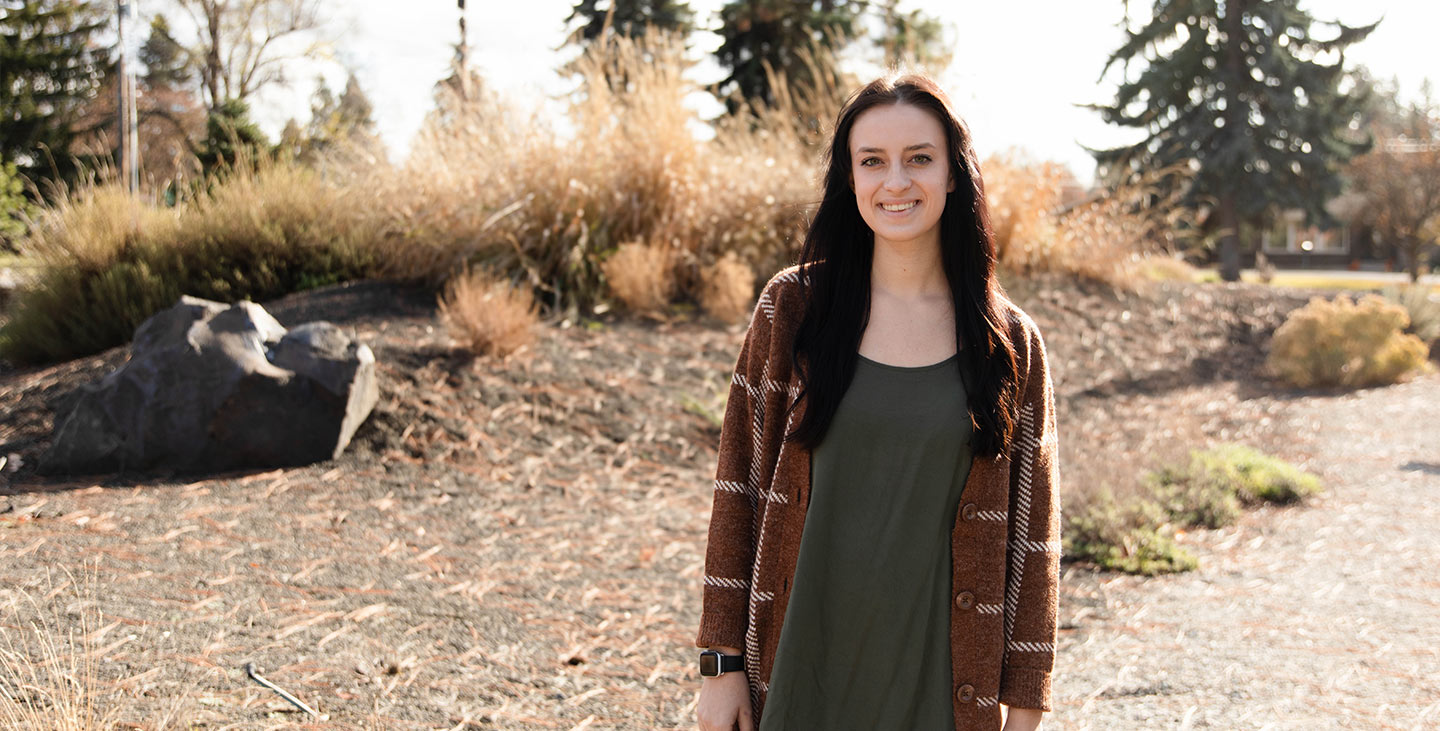 Courtney Iseman '23
Why did you decide to study political science?
Through my high school government class and my participation in debate, I found that political science is an amalgamation of many disciplines. Laws and public policy reach every corner of life. Political action takes many factors into account, like philosophy, sociology, psychology, medical science, history and economics. I adore political science for this reason. When studying political science, a student is faced with societal endeavors, and I find great interest in pondering political means to relieve these problems. I see a tremendous empathic side of political science, in which people come together to find resolutions for the public good.
What are some of your favorite classes so far?
African Politics with Dr. Megan Hershey and Gender, Politics & Law with Dr. Julia Stronks have been my favorite political science classes at Whitworth. In African Politics, the class learned about the political history of Africa to the modern-day political status quo. With Dr. Hershey's engaging teaching about African politics, I came to adore studying the politics of the continent. With many varying political methods, problems and solutions, the politics of Africa are very diverse. Gender, Politics & Law is a class that I am currently taking and deeply enjoy because it makes students ponder about how to best enact equality in political policies.
Tell us about a unique experience or project you've worked on for your major.
I have experienced a plethora of opportunities through the political science department. One experience I am grateful for is my job as a research assistant for the department. In my work, I create abstracts for articles about faithful lawyering. This opportunity has allowed me to ponder my future career in law, as a person of faith. The research delves into the unique experiences of lawyers of faith, and the benefits faith can have in legal work.
What advice would you give to someone thinking about majoring in political science?
Go for it! If you are interested in means to make society a better place through public action, political science is the major to choose. Political science majors can take many paths, from legal work to working as a campaign manager.
What's your dream job?
With my love for law and my commitment toward the betterment of society, I desire to become a criminal defense lawyer. My passion involves fixing the holes in the bail system in order to create a strong foundation for criminal justice. Organizations that inspire me include the Equal Justice Initiative and the NAACP's Bail Project.
Who has been an important connection for you at Whitworth, and why?
Dr. Julia Stronks has been an amazing connection for me in the political science department. She is invested in political science students in their pursuit of reaching their goals. She is a beacon of knowledge when it comes to programs and opportunities for students.
What's something that surprised you or might surprise other students about your major?
Political science surprised me by its amazing academic discourse. Political science is not to merely learn about governmental systems and laws. Students in this major have engaging conversations about how the world is and what the world ought to be, conversations of human progress with compassion.
Why did you choose to attend Whitworth?
When I visited Whitworth, I observed a university that is tremendous in opportunities. From various clubs, study abroad programs and internship possibilities, Whitworth is an astounding school where students have the ability to progress in their social relationships, academic skills, faith and career ambitions.
How would you describe Whitworth?
Whitworth is a place of multidimensional flourishing. Through my years here at Whitworth, I have flourished in my relationship with God, with others and with my myself, discovering my passions and self-identity.
Learn more about Whitworth's Political Science, B.A. program